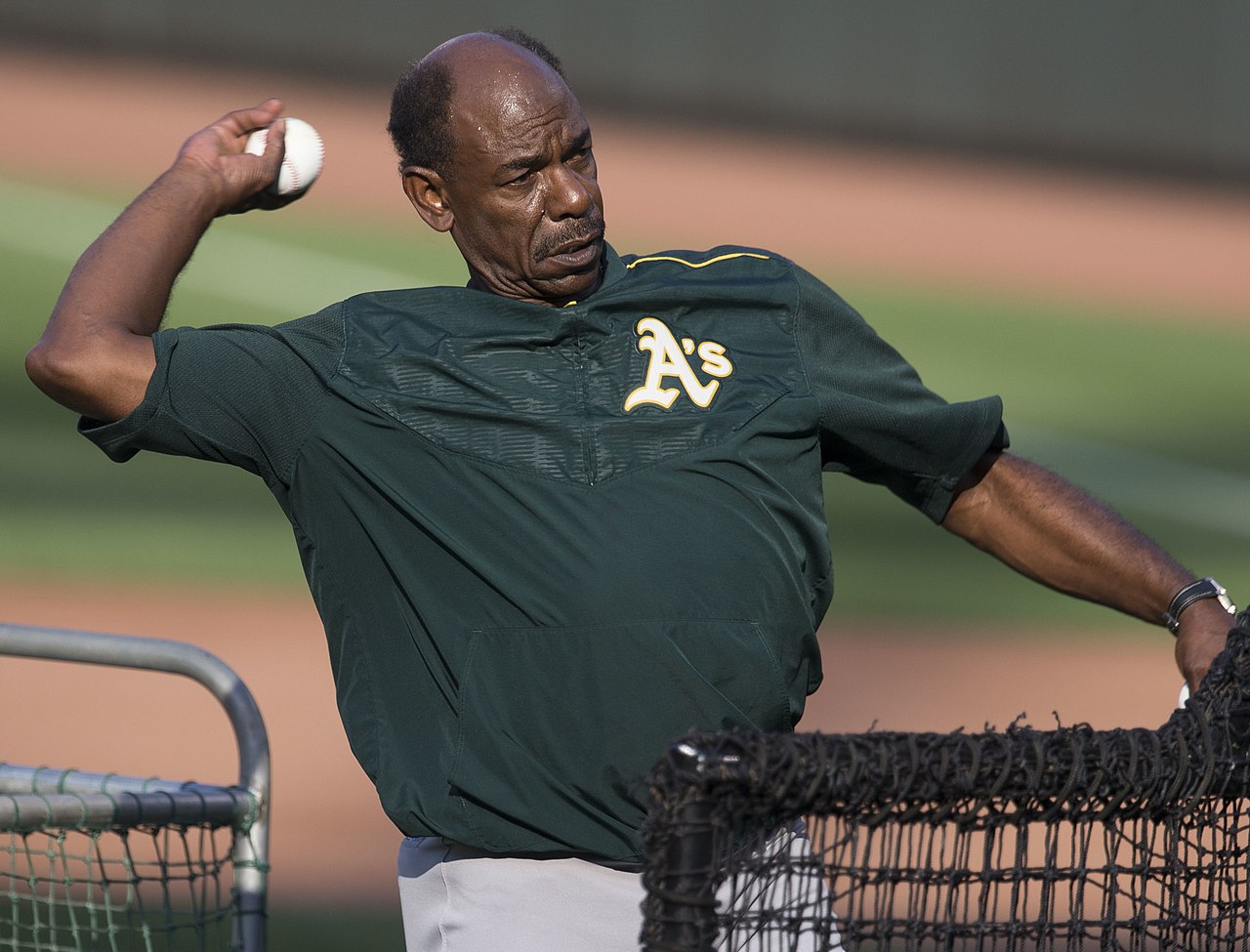
Demanding Precision: Inside Ron Washington's MLB Infield Drills
In the world of Major League Baseball, where milliseconds and inches can dictate the outcome of a game, precision is paramount. And few embody this relentless pursuit of perfection quite like Ron Washington. A legendary figure known for his infectious enthusiasm and demanding coaching style, Washington has sculpted countless infields into gold-glove caliber units, leaving an indelible mark on the game as a player, coach, and manager. His name is synonymous with fundamental excellence, and his infield drills are the stuff of legend.
For those who've witnessed Ron Washington in action, whether on the field or through the famous "Moneyball" film, his passion for defense is undeniable. But what exactly goes into these famed routines that transform good players into great ones? It’s a meticulous, intense, and often colorful process designed to create instinctive habits and flawless mechanics under pressure. Imagine standing on the hallowed grass of an MLB stadium, a mere amateur, facing the scrutiny of an undisputed expert. It’s an experience that evokes a certain reverence, and perhaps a touch of fear, knowing that every move will be dissected by a master of the craft.
The Washington Standard: Beyond the Whistle, A Pursuit of Perfection
When you step onto the field with Ron Washington, you're not just participating in a drill; you're entering a masterclass. His approach is less about gentle guidance and more about the unwavering expectation of pinpoint precision. While not the intimidating, blue-collar band teacher depicted in "Whiplash," Washington shares that character's absolute demand for excellence. He expects players to take every repetition with the utmost seriousness, understanding that the difference between an ordinary play and an extraordinary one lies in the details.
As Washington himself asserts, "I'm a motherf---ing expert." And his resume backs it up. He coached the Atlanta Braves infield to a World Series championship in 2021, and famously mentored six-time Gold Glove winner Eric Chavez, who even gifted Washington his third trophy as a token of gratitude. This level of success isn't accidental; it's the direct result of a routine that Angels players, among others, undertake before every single game. This regimen is meticulously crafted to ingrain the muscle memory required to field ground balls flawlessly from every conceivable angle, turning complex actions into second nature. For more on his broader impact, read about From Diamond to Dugout: Ron Washington's Enduring MLB Legacy.
Deconstructing the Drill: The Foundation of Fielding Mastery
The journey into Washington's infield philosophy often begins with a deceptively simple setup: a towel, folded for padding, and three baseballs laid out on the grass. This initial phase is not about reaction time, as many might intuitively guess, but about something far more fundamental. As Washington clarifies, "What they do is they line your hands up."
This core principle is the bedrock of his teaching:
- Hand Alignment: The three balls force players to position their hands correctly for different types of ground balls:
- Backhands: Emphasizes getting low, extending the glove hand, and keeping the glove open and soft to absorb the ball. It's about letting the ball enter the pocket with minimal resistance.
- Glove Hands (Forehands): Similar to backhands but from the other side, stressing a clean, direct path to the ball with the glove side.
- Up the Middle: Crucially, this requires two hands, funneling the ball into the body for a secure catch and quick transfer.
- Direct Route: The drill trains players to take the most efficient, direct path to the ball, cutting off unnecessary movement. This minimizes reaction time and ensures optimal fielding position.
- Center of the Glove: Every repetition reinforces the importance of fielding the ball in the center of the glove, where control is maximized, reducing deflections and errors.
- Proper Follow-Through: It's not just about catching; it's about finishing the play. The drill instills the habit of bringing the ball to the body, preparing for the subsequent throw, which is often overlooked in basic fielding practice.
Many amateur players make common mistakes: using two hands when only the glove hand is required for backhands, or conversely, using only one hand for balls up the middle when two hands offer superior control. Washington's initial drill systematically eradicates these bad habits, forcing players to master the foundational mechanics before moving to more complex scenarios.
Beyond the Basics: Footwork and Instinctual Reactions
Once the fundamental hand mechanics are drilled into muscle memory, Washington's regimen seamlessly transitions to incorporating fungos, where footwork becomes paramount. Fielding a ground ball is a kinetic chain reaction, and the hands are only the final link. The journey begins with the feet.
- Quick First Step: Infielders must react instantly to the crack of the bat, taking a precise first step to get into position. Washington's drills emphasize explosive movement in all directions—forward, backward, and laterally.
- Angle of Approach: Players learn to anticipate the hop and take the correct angle to meet the ball, ensuring they field it out in front of their body with good momentum towards their target. This isn't just about catching the ball, but setting up a powerful and accurate throw.
- Athletic Position: Maintaining a low, athletic base throughout the play allows for quick adjustments and balanced movement. Players are taught to "stay low through the ball" rather than popping up prematurely.
- Creating a Throwing Platform: Every fieldable ball should ideally lead to a strong throwing position. Washington's drills implicitly teach players how to integrate fielding into the throwing motion, turning smoothly and delivering the ball to the bag with velocity and accuracy.
This progression from stationary hand drills to dynamic footwork under fungo is critical. It transforms isolated mechanical movements into a fluid, instinctual response to any ground ball. The goal is to eliminate conscious thought and allow the body to react automatically, even to tricky hops or off-speed rollers. For a deeper dive into his coaching genius, particularly beyond his "Moneyball" fame, check out Beyond Moneyball: Ron Washington's Masterclass in Fielding.
The Psychology of a Champion: Washington's Impact Beyond Mechanics
While Ron Washington is undeniably a technician, his influence extends far beyond the physical mechanics of fielding. He instills a winning mindset built on discipline, unwavering commitment, and a positive outlook. The PBS series "Behind The Glory" highlights Washington as "as positive a guy that you've ever" met, a testament to his ability to inspire and uplift his players, even amidst his demanding standards.
He understands that athletic greatness doesn't come naturally; it's forged through hard work, diligence, and the crucible of adversity. Washington's own journey—from a ten-year major league playing career to his celebrated roles as coach and manager—is a testament to perseverance. He teaches his players that triumph often follows struggle, and that a relentless pursuit of improvement is the true measure of a professional. His drills are not just about fielding a ball; they are about cultivating the mental toughness and commitment required to excel at the highest level of baseball.
Implementing Washington's Wisdom: Tips for Aspiring Infielders
For aspiring infielders looking to emulate the excellence preached by Ron Washington, here are some actionable tips:
- Master the Fundamentals: Don't skip the basic hand alignment drills. Use three balls, or even just one, and focus intensely on how your hands meet the ball for backhands, glove hands, and balls up the middle. Repetition builds muscle memory.
- Serious Repetitions: Approach every drill with the same intensity as if it were the ninth inning of a World Series game. Washington demands seriousness because that's how instincts are truly honed.
- Understand the "Why": Don't just go through the motions. Ask yourself *why* two hands are better here, or *why* staying low is crucial there. Understanding the purpose deepens the learning.
- Focus on Footwork: Incorporate footwork drills regularly. Use cones, agility ladders, or simply practice moving laterally and fielding imaginary balls to improve your quickness and balance.
- Watch and Learn: Observe professional infielders, particularly those who have played under Washington. Pay attention to their pre-pitch routine, first step, glove presentation, and throwing motion.
- Practice with Purpose: Every ground ball you field, whether in practice or a game, should be an opportunity to reinforce perfect mechanics. Eliminate sloppy habits by being mindful of every detail.
Conclusion
Ron Washington is more than just a coach; he's an artisan of infield defense. His demanding precision, combined with a profound understanding of mechanics and human psychology, has elevated the play of countless athletes. From the initial hand alignment drills to the dynamic footwork under fungo, his methods are a comprehensive roadmap to fielding excellence. By breaking down complex actions into repeatable, instinctive habits, Washington ensures that when the pressure is on, his players react with the unwavering confidence and skill of true experts. His legacy is etched not just in championship trophies, but in the countless flawless plays made possible by his relentless pursuit of perfection.